
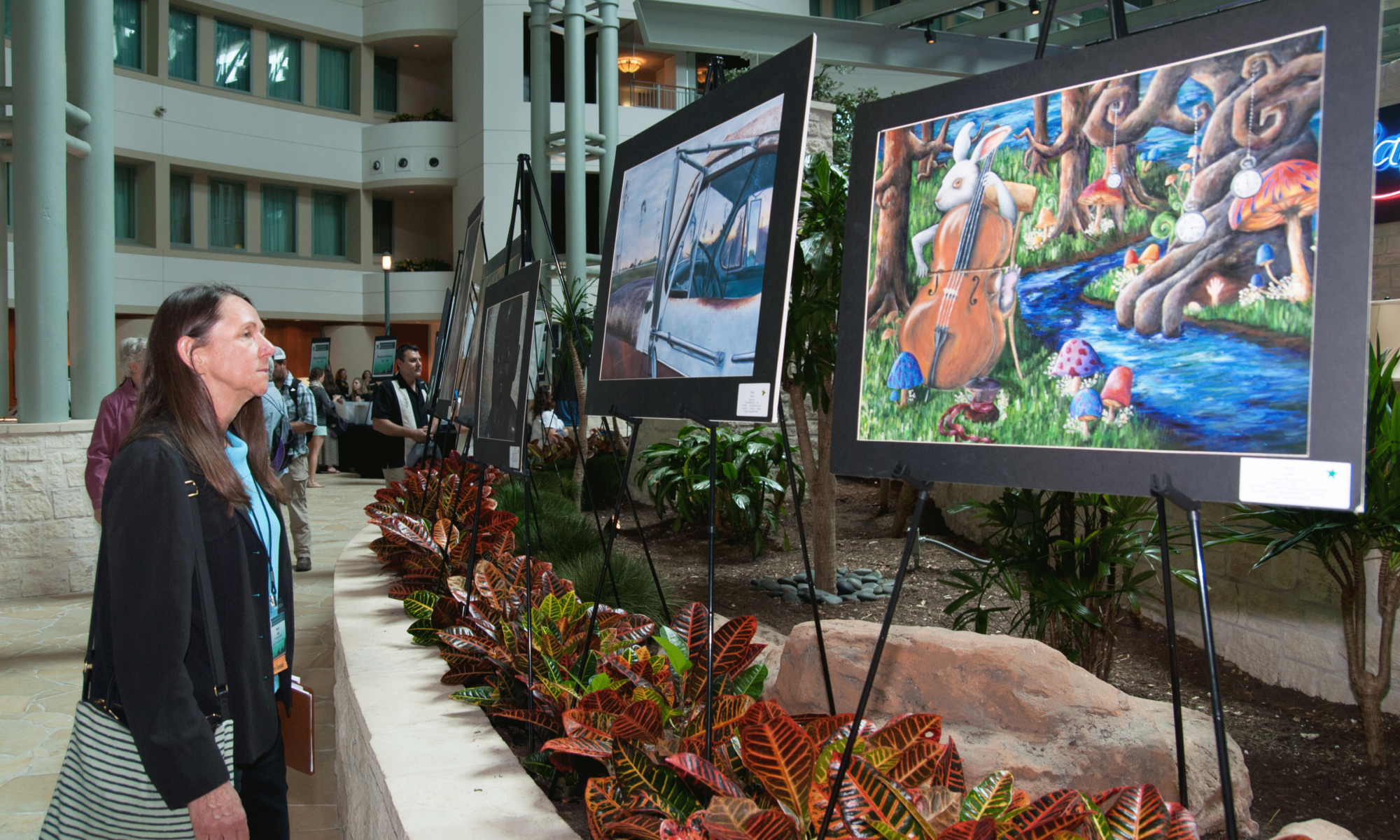
Help your students discover the power of the arts!

The Center for Educator Development in Fine Arts (CEDFA) invites you to join us this summer to investigate the process of discovery at the heart of all creative practices. Together, we will dig deep into the experiences of inspiration and wonder, cultivate collegial connections, and share the joy that sparks authentic student engagement in our classrooms.

From June to August, CEDFA will host Summit 27—Fine Arts: The Discipline of Discovery. The Summit consists of a series of interconnected, self-paced, online learning sessions for art, dance, music, and theatre educators and administrators across all grade-level bands. Featuring exciting new content and dynamic presenters, each session aims to be engaging, hands-on, and interactive.

During Summit 27, we will champion the process of discovery as uniquely human. We will explore howthe fine arts shape the critical cognitive, intuitive, and expressive skills necessary for invention. After all, strengthening creative minds in young people is the essence of the work of all fine arts educators. At Summit 27, we will push our practices farther together, hone our creativity, and share the strategies, tools, and inspirations that strengthen our teaching methods, our programs, and our communities.

Through hands-on activities disseminated in each session, we will explore key practices that make minds fertile for creative discoveries—imaginative play, daydreaming, solitude, intuition, openness to new experiences, mindfulness, sensitivity, and turning adversity into advantage. 1 We will step away from our screens, engage with the world, and then come back together to share our discoveries and connect.

Four multidisciplinary anchor sessions weave the Summit together. Each of these anchors are followed by deep dive learning courses that are discipline specific across art, dance, music, and theatre to help drill further into the content and application.

Summit 27 sessions include the following:

  • Anchor Session 1: Practicing Creative Discovery

    • Deep Dive 1: Transformative Journeys into Artistic Discovery

  • Anchor Session 2: Cultivating Openness to New Experiences in the Classroom

    • Deep Dive 2: Designing Creative Playgrounds

  • Anchor Session 3: Shaping Campus-wide Collaboration

    • Deep Dive 3: Blue Sky Idea Lab—Reinvent One Aspect of the Campus through Fine Arts

  • Anchor Session 4: Building Communities around Passion, Purpose, and Invention

    • Deep Dive 4: Discover the Deep Need for Fine Arts in Your Community

Join us as we embrace the perpetual process of discovery that is the heart of fine arts learning.

Reignite your inner artistic flame—registration opens soon!

Online learning sessions will be open from June 15–August 15, 2026!

TEACH FINE ARTS

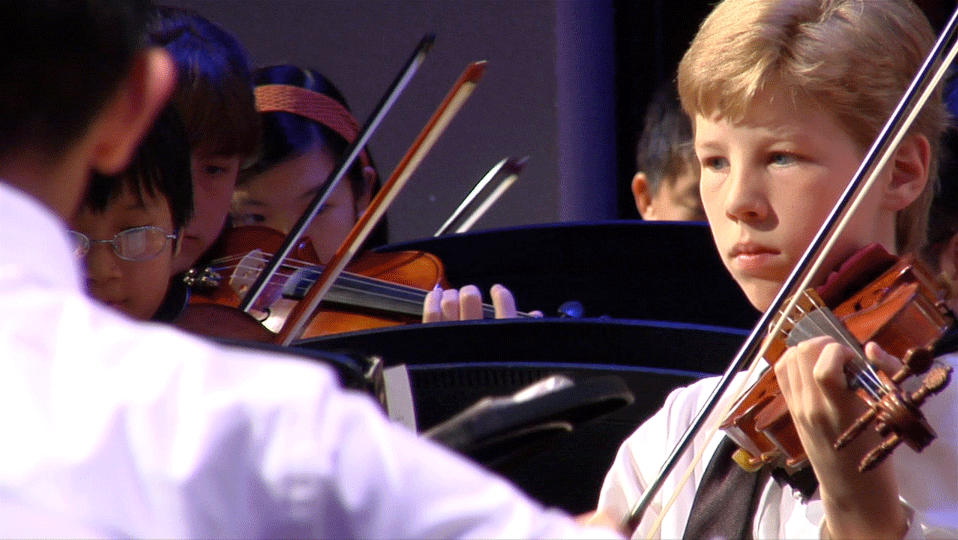
Everyday in classrooms across Texas, art, dance, music, and theatre educators challenge students to learn in new ways. The tools these teachers use are manifold: student standards, rigorous curricula, engaging instruction, and formative and summative assessment strategies. The backbone of fine arts instruction in Texas, the Texas Essential Knowledge and Skills (TEKS), help educators structure instruction around what students should know and be able to do by the end of each grade level in art, dance, music, and theatre. The TEKS are vertically aligned to provide for a cohesive curriculum from one grade to the next. Furthermore, the TEKS mandate consistent and rigorous student learning in the fine arts throughout the state.

This area of the website houses information pertaining directly to teaching the fine arts. This includes the student standards, assessment strategies, instructional techniques, as well as information on Chapter 74 of the Texas Administrative Code, graduation requirements, and other curricular issues. Furthermore, this section of the site houses online instructional resources such as Connect the TEKS, Fine Arts for All Students and the Arts Integration Online Toolkit. Use the menu at the top to explore and visit often.

Standards

Curriculum

Resources

Instruction

Student Assessment

Strengthen Program

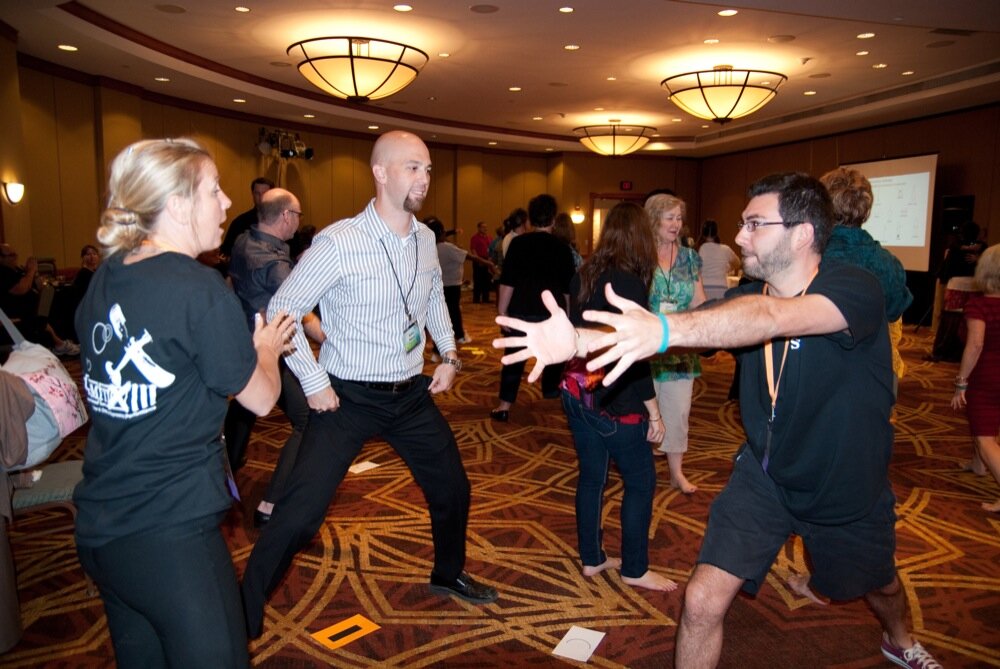
While high quality educators, committed students, and rigorous learning standards such as the TEKS form the core of successful programs, many other administrative considerations such as equipment, staffing, space, and safety requirements, as well as funding play important roles in the program’s overall health.

This section addresses program evaluation, quality indicators for elementary, middle school, and high school programs in art, dance, music, and theatre, as well as recommendations on staffing and links to state and national funding sources. Finally, this section houses the Program Support database of sources and abstracts from research studies that hone in on why the fine arts are essential to school communities and vital for student learning.
Program Support

Evaluating Programs

Art Programs

Dance Programs

Music Programs

Theatre Programs

Staffing Fine Arts Programs

Funding Resources

Links to Fine Arts Organizations

Grow Professionally

Many avenues exist for growing professionally as a fine arts educator or administrator. In addition to CEDFA-sponsored workshops and summits, other opportunities include National Board of Professional Teaching Standards certifications, additional certifications from the State Board for Educator Certification, and growth through the Professional Development and Appraisal System.

This section of the website houses background information and links related to models of professional development, the National Board of Professional Teaching Standards (NBPTS), the State Board for Educator Certification (SBEC), and the Professional Development and Appraisal System (PDAS).